APS MCC: learning to fly as a crew
Up to this point you have learned to fly alone. An airliner is flown by two pilots working as one crew, and that is a different skill. The multi-crew cooperation course is where it is taught, and it is the last stage before you apply to an airline.
What an MCC course is
The basic MCC course under Part-FCL is at least 25 hours of theory and 20 hours of practical training in a simulator. It teaches the division of work between the pilot flying and the pilot monitoring, standard calls and checklists, briefings, cross-checking, and how a crew handles a problem together.
What "Airline Pilot Standard" adds
The APS MCC is an enhanced version set out in EASA's acceptable means of compliance. It is at least 40 hours of simulator training per crew and adds what the basic course does not have to include: flying a swept-wing jet simulator, with its speed, inertia and automation, and airline-style scenarios flown from start to finish. It also ends in a graded final assessment against a defined standard, which the basic course does not require.
That is the difference on paper: an APS MCC certificate records that you were assessed, in a jet simulator, as a crew member.
What you are assessed on
The course is assessed against nine competencies:
- Application of knowledge
- Application of regulations and procedures
- Communication
- Aeroplane flight path management, automation
- Aeroplane flight path management, manual control
- Leadership and teamwork
- Problem-solving and decision-making
- Situational awareness
- Workload management
Only two of the nine are about handling the aeroplane. The rest are about how you brief, speak up, listen, decide and manage the workload.
How to prepare
- Learn the procedures and flows before you arrive. Simulator time is for practising as a crew, not for reading the manual.
- Keep your instrument flying current. A gap between the instrument rating and the MCC shows immediately.
- Practise saying things out loud. Briefings and calls feel unnatural until they do not.
- Take the debriefs seriously. They are the closest thing to airline feedback you will get before an airline assessment.
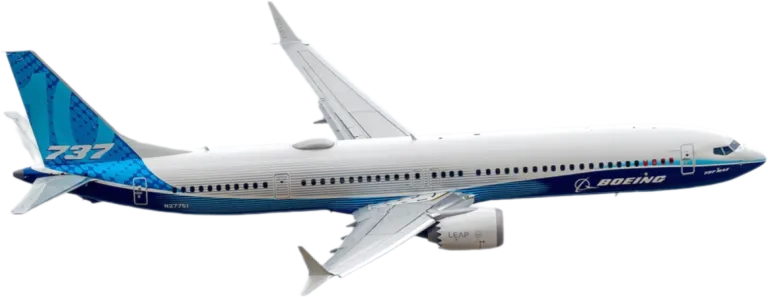
On the FlyInPoland route the APS MCC is flown on a Boeing 737 simulator. The APS MCC course page has the details.
FlyInPoland.com plans and coaches your route. The training itself is delivered by the approved training organisation named in your written offer, and the figures here are the legal minimums, not a quotation.
